卫生毒理学教研室成立于1986年,1998年获卫生毒理学硕士学位授予权,2003年为预防医学一级学科博士学位授予权所覆盖。教研室现有教授2人、副教授2人、讲师3人,均具有博士学位,其中博士研究生导师3人、硕士研究生导师5人。卫生毒理学学科为校级重点学科,毒理学实验室为校级重点培育实验室,设有分子毒理学实验室、神经行为学实验室、Ames实验室、细胞培养室、毒性病理实验室等,并建立了小动物神经行为学检测平台,配备有水迷宫、八臂迷宫、穿梭箱、跳台、步态分析、转棒和抓力等行为学检测和分析系统。
教学方面,教研室承担本科生、研究生和留学生的《毒理学基础》、《实验室生物安全》、《Toxicology》等多门课程的教学任务,其中《毒理学基础》课程为校级精品课程,《大鼠致畸虚拟仿真项目》被推荐为省级虚拟仿真重点项目。教研室教师参编《毒理学基础》、《分子毒理学》等本科生和研究生规划教材十余部,主持省部级教育教学课题8项,发表教育教学论文十余篇。
科研方面,学科主要研究方向为外源化学物的神经毒性和免疫毒性作用及机制、对机体糖代谢的影响和机制等。获国家自然科学基金项目16项、科技部国际合作项目1项、其他各级各类科研课题几十项,累计发表科研论文百余篇,其中SCI收录论文60余篇,获省科学技术二等奖(自然科学类)3项,教师在国家级学会和学术期刊担任学术兼职十余人次。
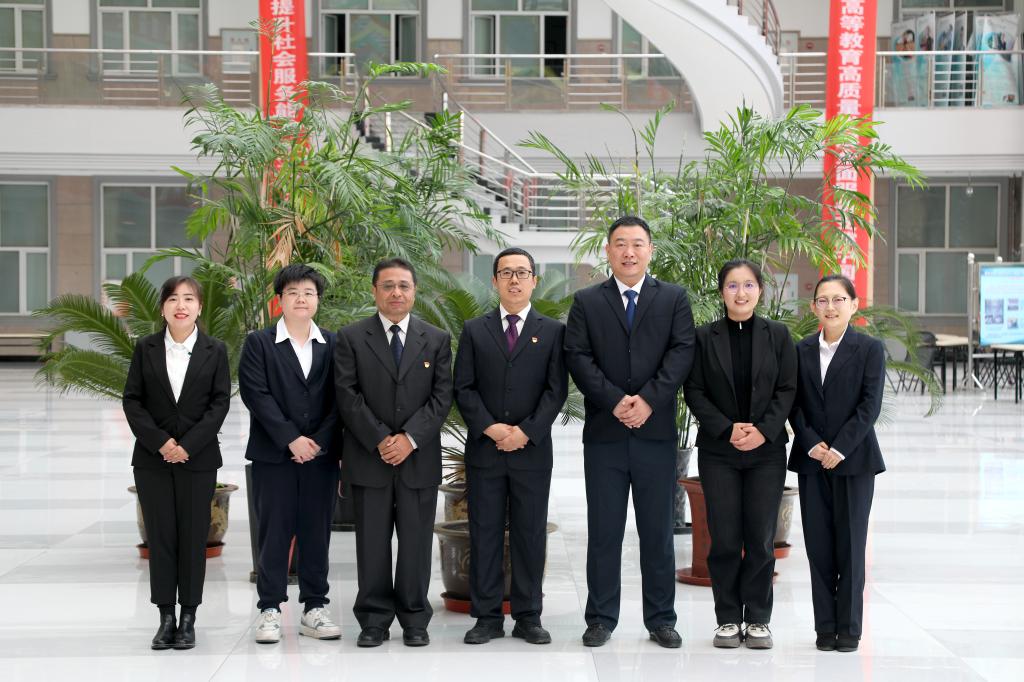
The Department of Hygiene Toxicology
The Department of Hygiene Toxicology was established in 1986. It was authorized to confer master's degrees in hygiene toxicology in 1998 and was covered by the doctorate degree of Preventive Medicine at the first-tierdiscipline in 2003. The department currently has 2 professors, 2 associate professors, and 3 lecturers, all of them have doctoral degrees. 3 of them are doctoral supervisors and 5 are master's supervisors. The discipline of Health Toxicology is designated as a university-level key discipline, and the Toxicology Laboratory is recognized as a university-level key cultivation laboratory. The laboratory facilities include a Molecular Toxicology Lab, Neurobehavioral Lab, Ames Lab, Cell Culture Room, and Toxicopathology Lab. It has established a small animal neurobehavioral testing platform equipped with behavioral testing and analysis systems such as water mazes, eight-arm mazes, shuttle boxes, jumping platforms, gait analysis systems, rotating rods, and grip force measurement devices.
In terms of teaching, the department undertakes undergraduate, graduate, and international student courses, including Basic Toxicology, Laboratory Biosafety, and Toxicology. Among these, Basic Toxicology has been selected as a university-level model course, while the Rat Teratogenicity Simulation Project has been supported as a provincial-level key virtual simulation project. The department members have co-authored over ten undergraduate and graduate textbooks, including Basic Toxicology and Molecular Toxicology. They have hosted eight provincial/ministerial-level educational research projects and published more than ten educational research papers.
In terms of scientific research, the main research directions of the department include the neurotoxic and immunotoxic effects and mechanisms of exogenous chemicals, as well as their impact on and mechanisms of glucose metabolism in the body. The department has been awarded 16 National Natural Science Foundation projects, 1 international cooperation project from the Ministry of Science and Technology, and dozens of other research grants at various scales. It has published over 100 research articles, including more than 60 SCI-indexed papers, and awarded 3 Provincial Science and Technology Second Prizes (Natural Science category). The department faculty members occupy over ten academic positions in national-level academic societies and journals.