哈尔滨医科大学流行病学教研室成立于1949年,先后参加了抗美援朝、反细菌战、防制鼠疫、麻疹和森林脑炎、以及第一次全国恶性肿瘤调查等大规模卫生防病实践工作。对传染性疾病的研究历史最早可追溯到1910年哈尔滨医科大学首任校长伍连德博士在哈尔滨扑灭鼠疫大流行。1949-1966年本教研室率先在国内开设《卫生防疫》课程,翻译前苏联教材和自编教材《流行病学总论》,是国内最早为本科生开设《流行病学》课程的教研室之一。其研究方向以传染病流行病学为主,研究森林脑炎、流行性出血热、流感等传染病流行状况及其预防控制。1952年刘瑞璋教授曾在国内最早分离出森林脑炎病毒并用于生产疫苗且沿用至今。1978年,刘瑞璋教授获全国科学大会奖励,1994年被评为哈尔滨医科大学十大教育家。
本学科1980年被评为省重点学科,1981年被批准为硕士学位授权单位,1986年被批准为博士学位授权单位,1991年被批准为博士后流动站。教研室现有教职员工16人,其中教授4人,副教授7人,讲师4人,高级实验师1人,均具有博士学位,有7人先后赴美国、加拿大等国家进修学习。
教学方面:
流行病学教研室承担留学生、研究生、临床七年制、预防医学本科、卫生事业管理本科、临床医学本科、药学本科、护理本科、麻醉本科等不同轨道和专业的流行病学、管理流行病学、药物流行病学、临床流行病学、临床流行病与循证医学、流行病学研究方法等近10门课程的教学工作。每年教研室共承担教学本科教学1200余学时,承担研究生教学200余学时。参编预防医学本科用国家规划教材《流行病学》(第1-2,4-9版);参编临床医学本科用国家规划教材《流行病学》(第8版),副主编第9-10版。近五年来,《流行病学》课程被评为国家级一流本科线下课程、黑龙江省线上线下混合式一流本科课程。2021年流行病学教师参与指导的预防医学本科生团队荣获第十届中国大学生医学技术技能大赛预防医学专业赛道总决赛金奖冠军。2022年流行病学教学团队荣获黑龙江省教学成果二等奖,同年荣获全国第三届高校教师教学创新大赛一等奖,黑龙江省特等奖。
科研方面:
目前流行病学教研室主要研究方向为:①慢性非传染性疾病分子流行病学研究;②慢性病多组学标志物及其机制研究;③营养流行病学研究。流行病学教研室秉承理论与实践相结合的科研理念,积极与各省市疾病预防控制中心合作,在交流和学习中不断开拓思路,提升专业能力和业务水平。此外,教研室注重发展现场流行病学研究,探索突发公共卫生事件的发生原因、发展规律和危害特点,为突发公共卫生事件的预防和应对提供科学依据。流行病学教研室先后承担国家自然科学基金项目27项,国家科技部重点研发计划任务课题2项。获黑龙江省科技进步二等奖2项。近五年来,以第一或通讯作者发表高水平SCI论文70余篇,影响因子大于10的论文6篇,其中2篇发表在国际顶级期刊The British Medical Journal(IF105.7)和Nature human behaviour(IF29.9)杂志上。
历任流行病学学科带头人为孙锡璞教授、刘瑞璋教授、王滨有教授、张永红教授、赵亚双教授。他们以严谨的学术态度、精湛的教学技艺和无私的奉献精神,赢得了广大师生和社会的赞誉和尊重。现任哈尔滨医科大学公共卫生学院流行病学学科带头人为田文静教授,流行病学教研室主任,流行病与卫生统计学学科党支部书记。目前兼任中华预防医学会流行病学分会委员,中国抗癌协会肿瘤流行病学专业委员会常务委员,黑龙江省医学会理事。在他们的带领下,流行病学学科建设取得了长足的进步和发展,培养出了许多具备岗位胜任力的优秀公共卫生与预防医学实用型人才。
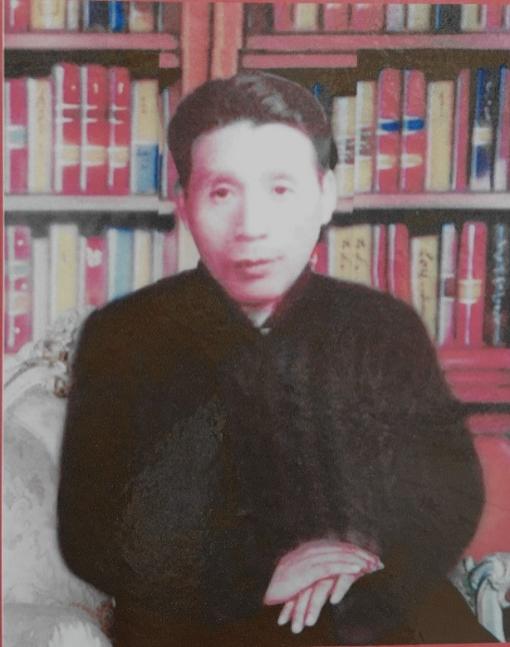
孙锡璞教授
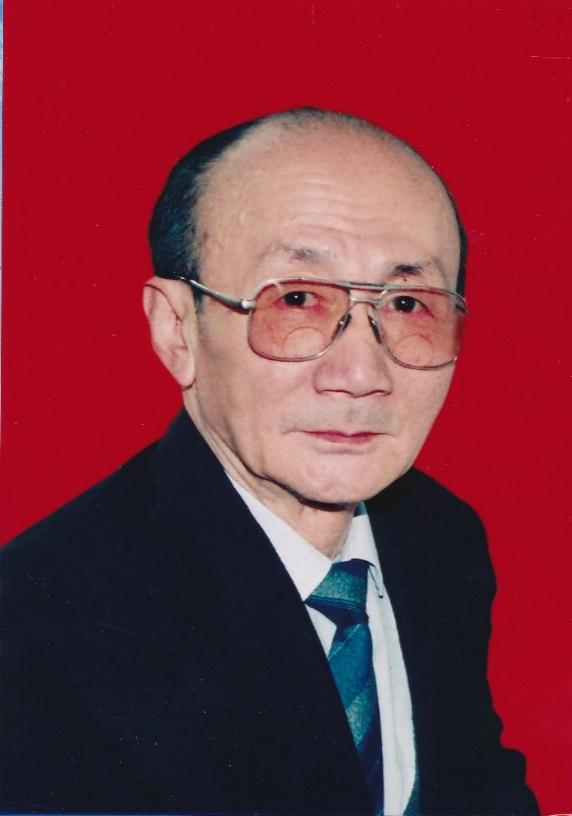
刘瑞璋教授
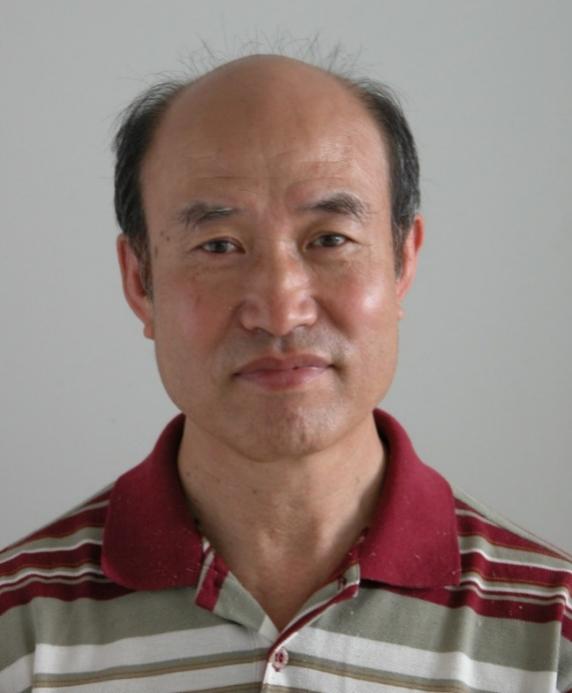
王滨有教授

张永红教授
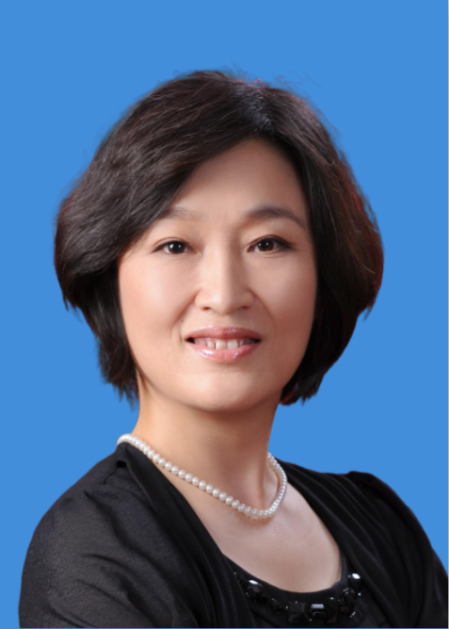
赵亚双教授
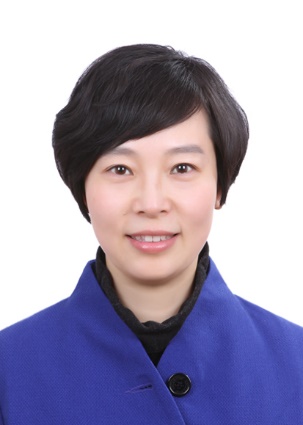
田文静教授
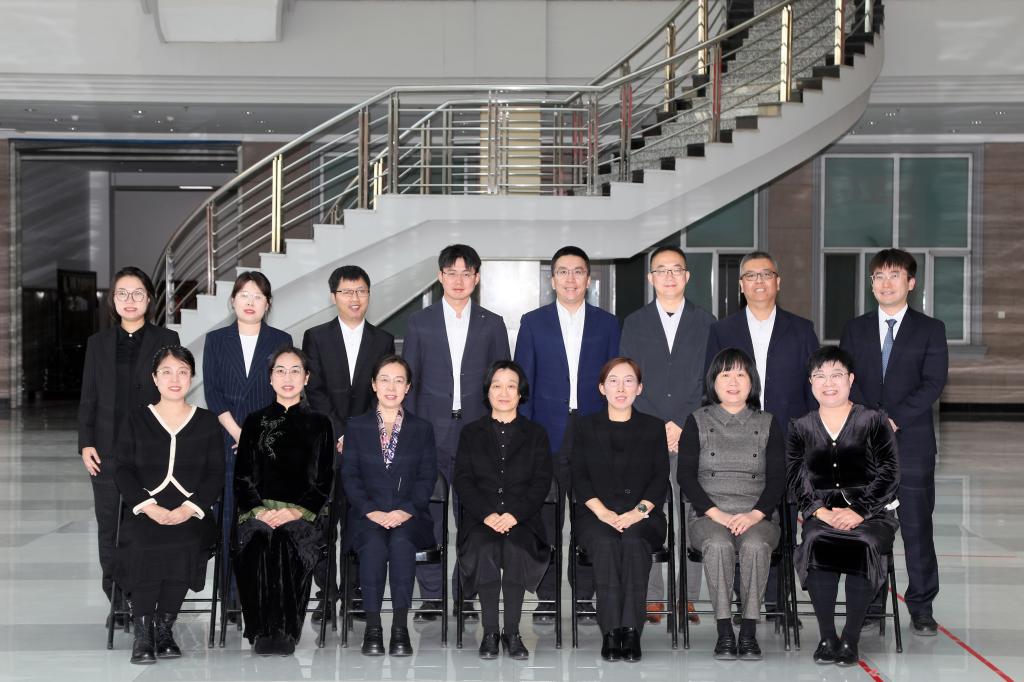
Introduction of the Department of Epidemiology
The Department of Epidemiology at Harbin Medical University was established in 1949. Since its founding, the department has actively participated in several national health initiatives, such as the War to Resist U.S. Aggression and Aid Korea, campaigns against bacteriological warfare, the prevention and control of plague, measles, and tick-borne encephalitis, and conducted the first national survey of malignant tumors. The department’s history of infectious disease research can be traced back to 1910, when Dr. Liande Wu, the first president of Harbin Medical University, successfully contained the plague epidemic in Harbin. Between 1949 and 1966, the department took the national lead in launching the courseHealth and Epidemic Preventionand was among the first in China to introduceEpidemiologyas an undergraduate course. During this period, the department translated the Russian textbookIntroduction to Epidemiologyinto Chinese. The main scientific research directions primarily focused on the epidemiology, prevention, and control of infectious diseases such as tick-borne encephalitis, epidemic hemorrhagic fever, and influenza. In 1952, Professor Ruizhang Liu successfully isolated the virus of tick-borne encephalitis in China for the first time, which was later used for vaccine production and remains in use today. Professor Liu received a National Science Conference Award in 1978 and was recognized as one of the Top Ten Educators of Harbin Medical University in 1994.
In 1980, the Department of Epidemiology was designated as a Provincial Key Discipline. The department was authorized to confer master’s degrees in 1981, doctoral degrees in 1986, and established a postdoctoral research station in 1991. Now, the department has 16 faculty members, including 4 professors, 7 associate professors, 4 lecturers, and 1 senior experimental technician. All faculty members hold doctoral degrees, and seven have conducted advanced study or collaborative research in the United States, Canada, and other countries.
Teaching Work
The Department of Epidemiology undertakes extensive teaching responsibilities across multiple educational tracks, including international students, postgraduates, the seven-year clinical medicine program, and undergraduate programs in preventive medicine, health management, clinical medicine, pharmacy, nursing, and anesthesiology. Meanwhile, the department offers nearly 10 courses, includingEpidemiology,Management Epidemiology,Pharmaceutical Epidemiology, Clinical Epidemiology and Evidence-Based Medicine,Epidemiological Research Methods, andCell Culture. Annually, the department delivers about 1,200 undergraduate and 200 postgraduate teaching hours. Faculty members have contributed to the compilation of the national planning textbookEpidemiologyfor undergraduates majoring in preventive medicine (1st-2nd and 4th-9th editions) and the national planning textbookEpidemiologyfor undergraduates and junior college students majoring in clinical medicine (8th edition); they also served as the deputy chief editors for the 9th and 10th editions. In the past five years, theEpidemiologycourse has been rated as both a National First-Class Undergraduate Offline Course and a Heilongjiang Provincial First-Class Online and Offline Hybrid Undergraduate Course. In 2021, under the guidance of the department’s teaching team, preventive medicine undergraduates won the gold medal in the Final of the 10th China University Medical Technology and Skills Competition for Preventive Medicine. In 2022, the department won the Second Prize for Teaching Achievement in Heilongjiang Province, the First Prize in the Third National College Teachers’ Teaching Innovation Competition, and the Special Prize at the Heilongjiang Provincial level.
Scientific Research
The department’s current research focuses on three major areas:①Molecular epidemiology of non-communicable chronic diseases;②Multi-omics biomarkers and mechanistic studies of chronic diseases;③Nutritional epidemiology. The Teaching and Research Section of Epidemiology adheres to the scientific research concept of combining theory with practice, actively cooperates with Provincial and Municipal Centers for Disease Control and Prevention, and constantly refines ideas through communication and study to improve professional capabilities and expertise. In addition, the Teaching and Research Section emphasizes the development of field epidemiological research, exploring the causes, development rules, and hazard characteristics of public health emergencies, and providing scientific evidence for prevention and response. The department has undertaken 27 projects funded by the National Natural Science Foundation of China and two mission projects under the National Key Research and Development Program of the Ministry of Science and Technology. It has also obtained two Second Prizes for Scientific and Technological Progress from the Heilongjiang Provincial Government. Over the past five years, faculty members have published more than 70 high-quality SCI papers as first or corresponding authors, including six papers with impact factors greater than 10. Notably, two papers were published in top international journals —The British Medical Journal(impact factor: 105.7) andNature Human Behaviour(impact factor: 29.9).
The former academic leaders of the Department of Epidemiology include Professor Xipu Sun, Professor Ruizhang Liu, Professor Binyou Wang, Professor Yonghong Zhang, and Professor Yashuang Zhao. They earned wide recognition and respect from both students and society for their rigorous academic attitude, exceptional teaching skills, and selfless dedication. The current academic leader of the epidemiology discipline, Professor Wenjing Tian, serves concurrently as Director of the Department of Epidemiology and Secretary of the Party Branch of Epidemiology and Health Statistics. She also holds positions as a member of the Epidemiology Branch of the Chinese Preventive Medicine Association, a standing committee member of the Cancer Epidemiology Committee of the China Anti-Cancer Association, and a council member of the Heilongjiang Provincial Medical Association. Under their leadership, the discipline has made remarkable progress and cultivated a new generation of highly competent professionals in public health and preventive medicine.
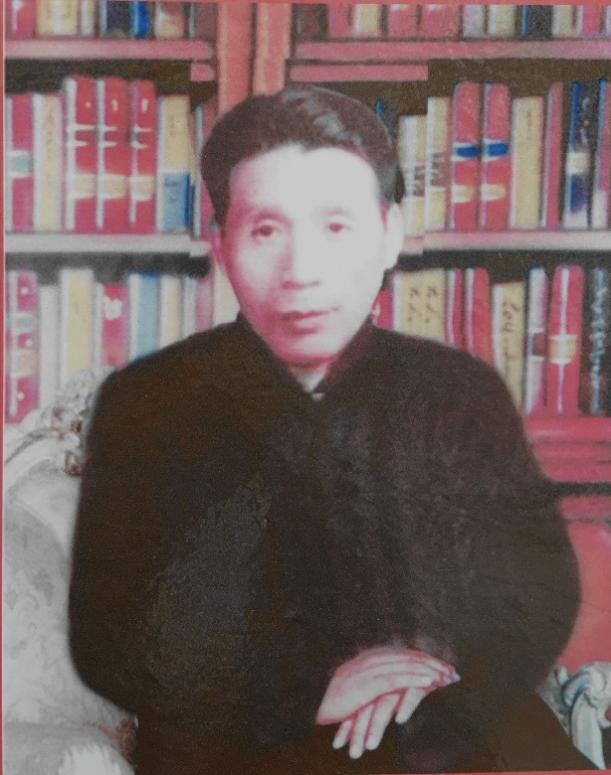
Professor Xipu Sun
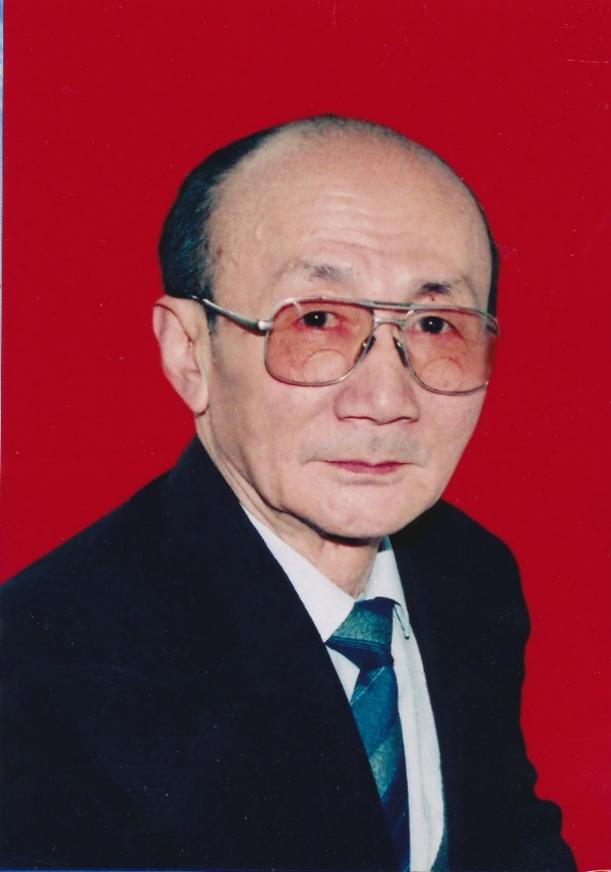
Professor Ruizhang Liu
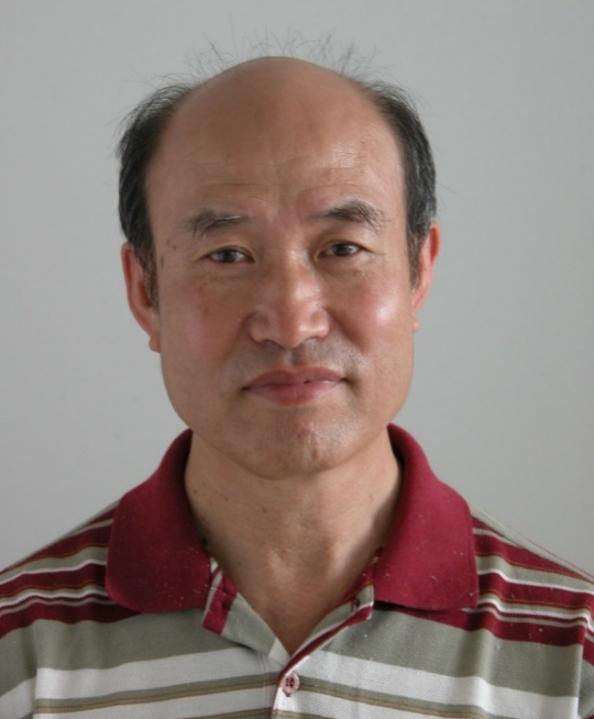
Professor Binyou Wang
Professor Yohong Zhang
Professor Yashuang Zhao
Professor Wenjing Tian