卫生检验学教研室前身卫生化学教研室,成立于1978年,是全国成立较早的卫生化学教研室之一,主要承担预防医学的专业基础课“卫生化学”的教学工作。1998年卫生化学教研室与卫生微生物检验教研室合并,更名为卫生检验学教研室。2005年由于学科发展与实际工作需要,卫生检验学教研室调整为:卫生检验学教研室(卫生化学为主)、卫生检验中心(对外检测服务)和卫生微生物教研室(卫生微生物为主)。
学科专业历史:
1985年卫生化学教研室创办卫生检验专业(本科),是国内第二个办卫生检验专业的单位,分别于1985年、1986年、1988年、1990年、1992年招生,共5期,承担卫生检验专业基础和专业课及毕业实习的教学任务,为预防医学相关部门培养了许多从事检验工作的专门人才。1985年招收第一个硕士研究生,1986年卫生化学教研室被国务院学位委员会批准为卫生化学学科硕士学位授予点,招生11届,共培养卫生检验人才21人。2000年,招收研究生授予营养与食品卫生学硕士学位。2006年,2007年又招收了两届预防医学卫生检验专业方向(本科)的学生。
学术地位与兼职:
1989年许春向教授牵头成立了全国卫生化学教育学组委员会,担任第一任主任委员,卫生化学教研室为挂靠单位,主办了5届全国卫生化学领域的教学学术研讨会,为该学科发展做出了很大贡献,在全国同行中处领先地位。
许春向教授和李容教授均担任过黑龙江省预防医学会卫生检验专业委员会主任委员。
杜晓燕教授任中华预防医学会卫生检验专业委员会卫生化学教育学组委员会副主任委员;黑龙江省预防医学会卫生检验专业委员会副主任委员。
李颖教授任第三届全国高等学校卫生检验与检疫专业教材评审委员会委员;第二届食品安全国家标准审评委员会标签专业委员会委员;中国营养学会营养与组学技术分会主任委员;中华预防医学会公共卫生教育分会第五届委员会常务委员。
教学成果:
1991年许春向及其带领的教研室获得黑龙江省普通高等学校优秀教学成果一等奖;1991年许春向教授被国家教委和人事部授予全国优秀教师称号。
教材编写:
从1980年开始,参加了国家规划教材《卫生化学》1-9版的编写工作,其中许春向教授担任第三版教材主编,杜晓燕教授担任第六版副主编和第七版主编,王茂清教授为第九版《卫生化学》数字教材的第一副主编,为教材建设做出了卓越贡献。
2001年许春向教授主编、杜晓燕教授副主编《现代卫生化学》出版,被教育部批准为研究生教学用书,我校第一部教育部推荐研究生教学用书。2009年杜晓燕教授主编的《现代卫生化学.第2版》出版。
2006年卫生部教材办组织编写了卫生检验专业第1版规划教材,杜晓燕教授担任《空气理化检验》副主编、潘洪志参编《卫生检疫检验》教材。2014年潘洪志教授副主编卫生检验与检疫专业规划教材《水质理化检验》,刘丽燕副教授与王茂清副教授分别参编《仪器分析》、《化妆品检测与安全性评价》。2023年刘丽燕教授担任卫生检验与检疫专业规划教材《仪器分析实验》纸质版、数字版教材副主编,王茂清教授参编《化妆品检测与安全性评价》纸质版、数字版教材。
教研室现有教师:
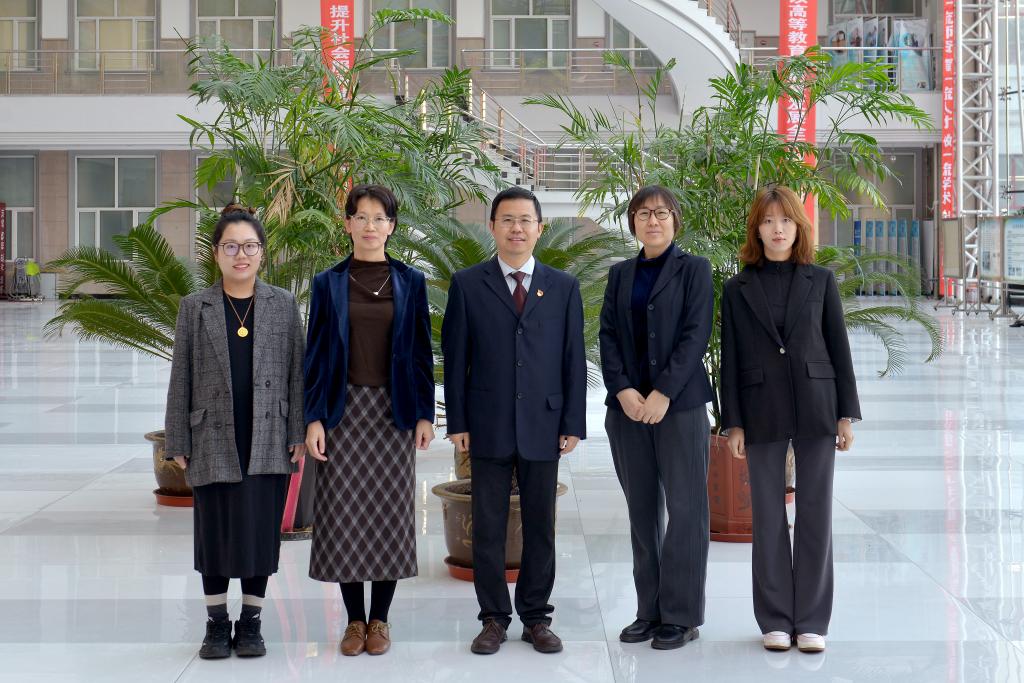
卫生检验学学科现有教职员工5名,王茂清教授,刘丽燕教授,孟凡玉副教授,侯婉莹讲师,李倩竹助理研究员;博士研究生导师2人,硕士研究生导师4人。教师学历结构:博士学历5人。
历届学科带头人照片:
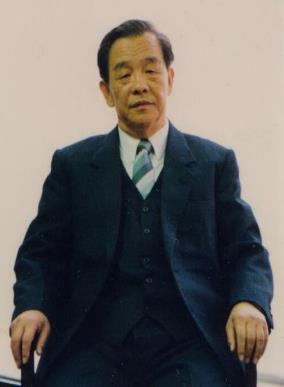
许春向教授
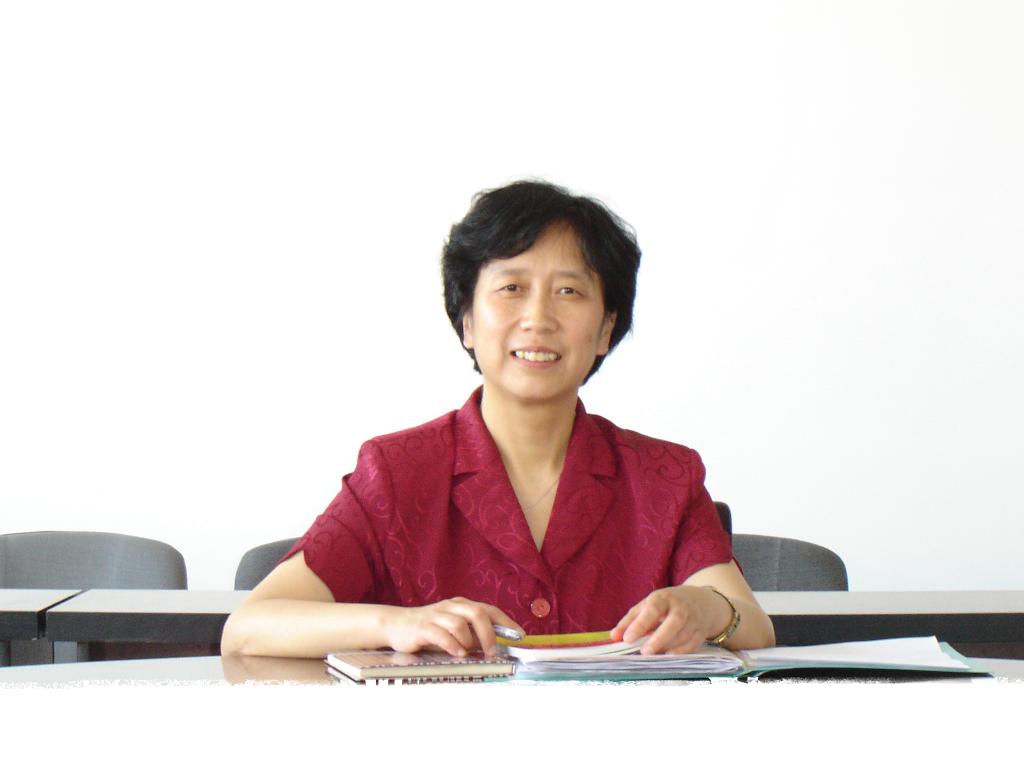
杜晓燕教授

李颖教授
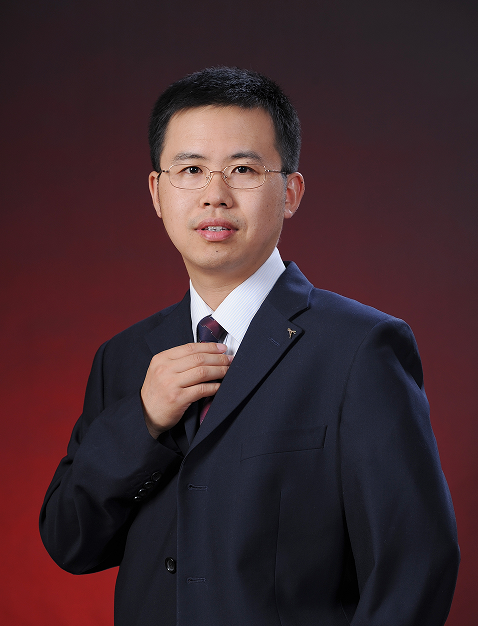
王茂清 教授
教学方面:
预防医学专业:《卫生化学》理论课与实验课
卫生监督专业:《药品与化妆品卫生监督》
卫生检验专业:《分析化学》、《仪器分析》、《食品理化检验》、《生物材料检验》、《卫生检验检疫》等。
研究生平台课和选修课:《现代仪器分析》、《色谱和质谱分析》。
科研方面:
教研室先后承担国家科技重大专项1项、国家自然科学基金重点项目1项,面上和青年15项、国际协作课题1项和其他各类科研课题50余项。获黑龙江省科学技术进步二等奖1项,黑龙江省科学技术进步二等奖3项。发表了大量科研论文,尤其是近10年发表科研论文约100余篇,SCI收录论文影响因子大于10的12篇。目前教研室培养硕士研究生90多名。
现在主要研究方向包括:
1.卫生化学在预防医学中的应用
2.卫生检验样品前处理技术与多组学分析
3.营养相关疾病的多组学研究
4.矿物质摄入与运动、代谢性疾病的关系
5.食用油新成分检测、功能评价与开发
6.营养流行病学
7.母乳对婴儿肠道菌群的影响
招收营养与食品卫生学专业的博士和硕士研究生。
The Department of Health Inspection Science
The Department of Health Inspection Science traces its origins to the Department of Sanitary Chemistry, which was founded in 1978 and stood as one of the earliest such departments in China. Its primary role was to deliver the foundational course "Sanitary Chemistry" for the Preventive Medicine program. In 1998, the department merged with the Department of Sanitary Microbiology and was renamed the Teaching and Research Section of Health Inspection Science. In 2005, to meet the demands of disciplinary growth and practical work, the section was restructured into three distinct units: the Department of Health Inspection Science (focusing on Sanitary Chemistry), the Center of Health Inspection (responsible for external testing services), and the Department of Sanitary Microbiology (focusing on Health Microbiology).TheHistoryof thedepartment
In 1985, the department launched an undergraduate program in Health Inspection, making it the second institution in China to offer such a program. Students were admitted in 1985, 1986, 1988, 1990, and 1992—five cohorts in total. The program was responsible for delivering foundational and specialized courses, as well as conducting graduation internships, thereby training a significant number of professionals for the field of preventive medicine.
The department admitted its first master’s student in 1985. The following year, it was authorized by the State Council Academic Degrees Committee to confer master’s degrees in Sanitary Chemistry. Over the years, a total of 11 cohorts were enrolled, and 21 students completed their master’s degrees. In 2000, the department began admitting graduate students in Nutrition and Food Hygiene, who subsequently earned Master of Science degrees. Additionally, the Health Inspection undergraduate program (under Preventive Medicine) also recruited students in 2006 and 2007.
Academic Status and Appointments:
In 1989, Professor Xu Chunxiang led the establishment of the National Sanitary Chemistry Education Group Committee and served as its inaugural Chairperson. Acting as the host unit, the Section organized five national teaching and academic seminars in Sanitary Chemistry under her leadership. These initiatives significantly contributed to the development of the department and helped it achieve a nationally leading position in the field.
Professors Xu Chunxiang and Li Rong both served as Chairpersons of the Health Inspection Professional Committee of the Heilongjiang Preventive Medicine Association.
Professor Du Xiaoyan servedas Vice-Chairperson of the Health Chemistry Education Group Committee under the Health Inspection Professional Committee of the Chinese Preventive Medicine Association, and as Vice-Chairperson of the Health Inspection Professional Committee of the Heilongjiang Preventive Medicine Association.
Professor Li Ying servedas a member of the 3rd National Higher Education Institution Health Inspection and Quarantine Professional Teaching Materials Review Committee; member of the Labeling Professional Committee of the 2nd National Food Safety Standard Review Committee; Chairperson of the Nutrition and Omics Technology Branch of the Chinese Nutrition Society; and Standing Committee Member of the 5th Committee of the Public Health Education Branch of the Chinese Preventive Medicine Association.
Teaching Achievements:
In 1991, Professor Xu Chunxiang and his team received the First Prize for Outstanding Teaching Achievements from Heilongjiang Provincial Higher Education Institutions. That same year, Professor Xu Chunxiang was awarded the title of National Excellent Teacher by the State Education Commission and the Ministry of Personnel.
Textbook Compilation:
Since 1980, faculty members of the department have participated in compiling the nationally planned textbooks Sanitary Chemistry (from the 1st to the 9th edition). Professor Xu Chunxiang served as Editor-in-Chief for the 3rd edition. Professor Du Xiaoyan was Associate Editor for the 6th edition and later became Editor-in-Chief for the 7th edition. Professor Wang Maoqing contributed as the First Associate Editor for the 9th edition digital textbook, making outstanding contributions to the development of these educational materials.
In 2001, "ModernSanitary Chemistry," edited by Professor Xu Chunxiang with Professor Du Xiaoyan as Associate Editor, was published and approved by the Ministry of Education as a recommended postgraduate teaching material–the first such book from our university.
The second edition of "ModernSanitary Chemistry," edited by Professor Du Xiaoyan, was published in 2009.
In 2006, for the first edition of the planned textbooks for the Health Inspection major, Professor Du Xiaoyan served as Associate Editor for "Air Physical and Chemical Analysis," and Professor Pan Hongzhi contributed to the "Health Inspection and Quarantine".
In 2014, Professor Pan Hongzhi served as Associate Editor for the planned textbook "Water Physical and Chemical Analysis" for the Health Inspection and Quarantine major. Associate Professor Liu Liyan and Associate Professor Wang Maoqing contributed to "Instrumental Analysis" and "Cosmetics Testing and Safety Evaluation," respectively.
In 2023, Professor Liu Liyan served as Associate Editor for both the print and digital versions of "Instrumental Analysis Experiments" and Professor Wang Maoqing contributed to the print and digital versions of "Cosmetics Testing and Safety Evaluation."
Current Faculty:
The department currently has a faculty team of five members: Professor Wang Maoqing, Professor Liu Liyan, Associate Professor Meng Fanyu, Lecturer Hou Wanying, and Lecturer Li Qianzhu. Among them, two serve as Doctoral Supervisors and four as Master's Supervisors. All faculty members hold doctoral degrees.
Past DepartmentLeaders:
[Professor Xu Chunxiang]
[Professor Du Xiaoyan]
[Professor Li Ying]
[Professor Wang Maoqing]
Teaching:
·Preventive Medicine Major:"Sanitary Chemistry" (Theory and Lab)
·Health Supervision Major:"Drug and Cosmetic Health Supervision"
·Health Inspection Major:"Analytical Chemistry," "Instrumental Analysis," "Food Physical and Chemical Analysis," "Biological Material Analysis," "Health Inspection and Quarantine," etc.
·Postgraduate Courses (Platform and Elective):"Modern Instrumental Analysis," "Chromatography and Mass Spectrometry Analysis."
Research:
Thedepartmenthas undertaken numerous projects: National Science and Technology Major Project, National Natural Science Foundation Key Project, 15 NSFC General and Youth Projects, International Collaborative Project, and over 50 other projects. It has been awarded Second Prize and Third Prizes for Heilongjiang Provincial Science and Technology Progress.Over 100 papers have published in the last decade, including 12 SCI-indexed papers with impact factors greater than 10.Ninety students received their master's degrees from this department.
Current Main Research Areas:
1.Application of Sanitary Chemistry in Preventive Medicine
2.Sample Pretreatment Techniques and Multi-Omics Analysis in Health Inspection
3.Multi-Omics Research on Nutrition-Related Diseases
4.Relationship between Mineral Intake, Exercise, and Metabolic Diseases
5.Detection, Functional Evaluation, and Development of New Components in Edible Oils
6.Nutritional Epidemiology
7.Impact of Breast Milk on Infant Gut Microbiota
Thedepartmentenrolls both doctor and master in the Nutrition and Food Hygiene.